Choosing between an asphalt vs. concrete parking lot depends on much more than your upfront paving costs. Maintenance, traffic, drainage, Indiana weather, and long-term plans can all influence which material is right for your property.
At a Glance: Concrete vs. Asphalt Parking Lot
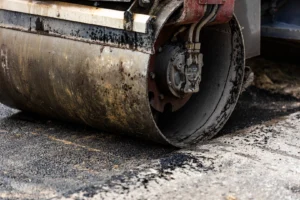
Asphalt: A flexible pavement that typically costs less upfront and is faster to install and repair.
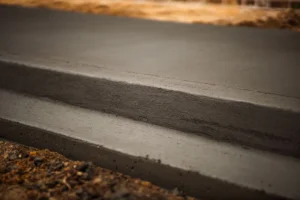
Concrete: A rigid pavement that typically costs more upfront but can offer a longer service life with less routine maintenance.
Key differences: Asphalt and concrete differ in cost, maintenance, durability, installation time, and performance.
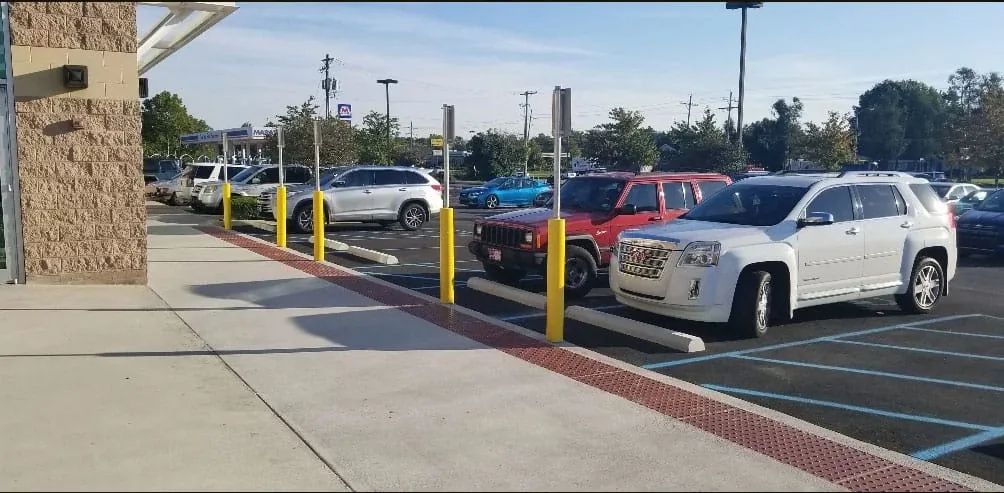
Common uses: Asphalt works well for general parking areas, while concrete is often used for heavy-load areas such as loading zones and dumpster pads.
Sipes Asphalt & Concrete helps Indiana property owners choose pavement solutions based on their site and project needs. Below, we compare asphalt and concrete by cost, durability, maintenance, climate performance, and application.
The Core Differences When Comparing an Asphalt vs. Concrete Parking Lot
The main difference between a concrete parking lot and an asphalt parking lot is how each pavement handles weight and movement. Asphalt is a flexible pavement system, meaning it can slightly bend and distribute loads across multiple layers. Concrete is a rigid pavement system that carries loads through a strong slab with minimal deflection.
Neither material is always better. Pavement design, subgrade conditions, drainage, traffic, installation quality, and maintenance can matter as much as the surface material itself.
Asphalt vs. Concrete Parking Lot Cost Comparison
Asphalt generally has a lower upfront installation cost than concrete, but the lowest initial price does not always mean the lowest long-term cost. A complete asphalt vs. concrete parking lot cost analysis should consider installation, maintenance, repairs, and expected service life.
Several factors can affect the final price:
Sub-grade and base condition: Weak or damaged areas may require additional preparation.
Lot size: Larger projects can affect material, labor, and equipment costs.
Drainage and grading: Poor drainage may require additional site work before paving.
Existing pavement: Removal, excavation, or surface preparation can increase project costs.
How Indiana Climate and Weather Affect the Decision
Indiana parking lots face freeze-thaw cycles, moisture, deicing chemicals, and summer heat. These conditions make drainage, pavement design, and traffic loads just as important as material choice.
Indiana’s Freeze-Thaw Cycles
Asphalt can flex with temperature and ground movement, but water infiltration causes cracks and potholes. Concrete can experience scaling, joint damage, and freeze-thaw deterioration, especially when moisture and deicing chemicals are present.
Heat Performance in Indiana Summers
High temperatures and concentrated loads can cause poorly designed asphalt to soften or rut. Concrete resists deformation well, making it useful for areas with sustained heavy loads.
Drainage Considerations for Midwest Parking Lots
Poor drainage can shorten the life of either material. Proper grading and drainage help prevent water from reaching the base and contributing to settlement, cracking, potholes, and heaving.
Which Is Better for a Commercial Parking Lot: Asphalt or Concrete?
The right choice depends on your budget, traffic, climate, maintenance plans, and how long you expect to own the property.
Choose Asphalt If…
You want a lower upfront cost.
You need the lot open to traffic sooner.
Your property experiences regular freeze-thaw cycles.
You can keep up with routine maintenance and sealcoating.
Choose Concrete If…
Your lot handles heavy or concentrated loads.
You prioritize a longer service life over lower upfront cost.
You need greater resistance to rutting under sustained loads.
You prefer less routine surface maintenance.
What to Look for Before You Get a Parking Lot Quote
Before you compare quotes, ensure each contractor proposes the right pavement system for your property. Ask these five questions:
“What condition are the subgrade and base in?” Contractors should identify weak areas and plan any needed repair or additional preparation before paving.
“How will you address drainage and grading?” Proper drainage protects the pavement and base from water damage.
“What pavement thickness and base design do you propose?” The design should match site conditions and expected traffic loads.
“What maintenance will the pavement require?” Clarify expected upkeep over the next 10–20 years.
“What does your quote include?” Confirm whether it covers demolition, excavation, base work, drainage, paving, striping, and cleanup.
We recommend that you do not choose a contractor based only on the lowest installation price. Evaluate each quote based on long-term pavement performance and overall site requirements.
Asphalt vs Concrete Parking Lot FAQs
Is asphalt or concrete cheaper for a parking lot?
Asphalt generally costs less to install upfront than concrete. Long-term costs depend on maintenance, repairs, traffic, climate, and site conditions.
How long does an asphalt parking lot last compared to concrete?
A well-maintained asphalt parking lot can last 20–30 years, while concrete can last 30–40 years. Every surface’s lifespan depends on installation quality, drainage, traffic, climate, and maintenance.
Which is better for cold climates, asphalt or concrete?
Asphalt’s flexibility can help it handle freeze-thaw movement, but both materials can perform well when properly designed and maintained. Drainage and installation quality are especially important in Indiana’s climate.
Which is better: asphalt vs. concrete for a commercial parking lot?
Asphalt is often practical for general commercial parking areas because of its lower upfront cost and ease of repair. Concrete may be better for heavy-load areas where rigidity and resistance to deformation are priorities.
Can you put asphalt over an existing concrete parking lot?
Yes, contractors sometimes put asphalt over concrete when it is structurally sound.
How often does an asphalt parking lot need sealcoating?
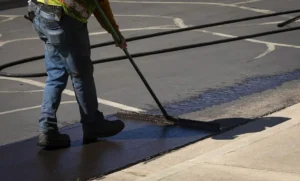
Commercial asphalt parking lots need sealcoating every 3–5 years, depending on pavement condition, traffic, and exposure. Commercial paving services and regular sealcoating help protect the surface from water, UV exposure, and other wear.
Get a Recommendation for Your Parking Lot
Asphalt is often practical for general commercial parking areas, while concrete can be better for heavy-load or specialized applications. But ultimately the right choice depends on your soil, drainage, traffic, climate, budget, and long-term plans.
Sipes Asphalt & Concrete can evaluate your site and recommend the right pavement system for your property. Contact us today to schedule an inspection and get quote.