Heavy traffic and harsh Indiana winters put pavement to the test, but recurring damage may point to weak soil underneath. Surface repairs alone won’t correct that problem.
At Sipes Asphalt & Concrete, years of experience preparing commercial paving sites across Indianapolis and Central Indiana have shown us how important the ground beneath your pavement is. In this guide, we’ll explain what soil stabilization is, when you need it, and what goes into paving preparation.
What Is Soil Stabilization?
Soil stabilization improves weak or unstable soil so it can support pavement installation and handle traffic loads. It strengthens the subgrade, the soil beneath the pavement’s base, and helps limit movement caused by moisture changes.
How Is Soil Stabilization Different From Compaction?
Compaction uses mechanical force to press soil particles closer together, reducing air pockets and increasing density. Soil stabilization is a broader process that may also involve grading, reinforcement, or adding materials such as lime and cement to improve soil properties. Compaction is often part of stabilization work, but some soils need additional treatment to provide adequate support.
Common Soil Stabilization Methods
Lime Stabilization
Lime stabilization is particularly effective for certain clay-rich soils that soften and become difficult to work with when wet. Mixing lime into the soil reduces its plasticity, making it less sensitive to moisture changes and easier to compact. Over time, chemical reactions can also increase soil strength, making this method useful for preparing suitable clay-heavy sites for paving.
Cement Stabilization
Cement stabilization mixes cement into suitable soil to bind particles together and increase load-bearing strength. It’s typically used with granular or lower-plasticity soils beneath commercial parking lots, access roads, and industrial areas with heavy traffic. Soil testing helps determine whether cement is suitable for the project.
Other Soil Stabilization Techniques
Mechanical stabilization blends soil or aggregates to improve ground stability, while geosynthetics, such as geogrids and geotextiles, reinforce pavement layers or separate aggregate from weak soil. Some projects also use additives like fly ash and polymers to address specific soil conditions.
Sipes Asphalt & Concrete uses compaction to increase soil density and grading or slope adjustments to help water drain away from paved areas. When existing pavement has deeper structural problems, our milling and reclamation services include full-depth reclamation, which reworks existing asphalt and base materials before installing new pavement.
When Is Soil Stabilization Necessary?
Weak or Unstable Subgrade: Soil that shifts or pumps under heavy equipment may struggle to support the weight of new pavement.
Expanding and Shrinking Clay: Certain clay soils swell when they absorb water and shrink when they dry, causing movement that can affect the pavement above.
Recurring Pavement Damage: Cracks, ruts, or settling that return after repairs may point to problems with the underlying base or subgrade.
Excessively Wet Ground: Too much moisture can weaken soil and make compaction difficult, sometimes requiring drainage improvements or replacement of unsuitable soil before paving.
Heavy Vehicle Traffic: Truck routes and industrial yards place greater demands on the ground beneath the pavement, potentially requiring additional subgrade support.
Previously Disturbed Soil: Excavation or earlier construction can leave behind inconsistent ground conditions that need testing and preparation before paving begins.
These warning signs call for a closer look at the soil. A site assessment evaluates moisture, density, and plasticity to determine whether stabilization, drainage improvements, or soil replacement is appropriate. Assessments can also identify concerns with slopes and embankments.
How Does the Soil Stabilization Process Work?
Evaluate the Existing Soil: We review site conditions and perform appropriate testing to understand soil composition, moisture, and strength.
Select the Appropriate Treatment: We choose a method based on the soil’s properties, expected traffic, and engineering specifications.
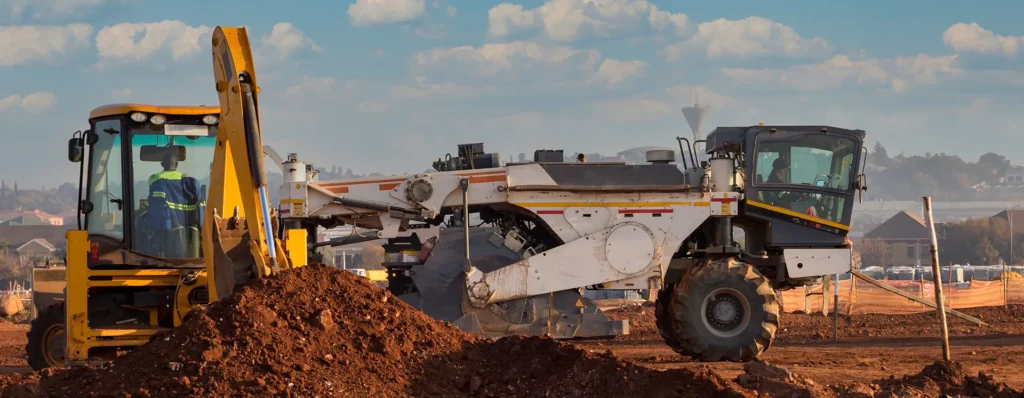
Prepare and Mix the Soil: We process the existing soil and distribute the selected stabilizing material. Specialized equipment mixes the material to the required depth.
Compact and Finish the Treated Layer: We shape and compact the treated soil to meet the project’s requirements.
Allow for Curing and Verification: Some treatments require curing time to develop strength. Quality checks confirm that the prepared layer meets specifications before paving continues.
What Happens If You Skip Soil Stabilization?
Premature Cracking and Rutting: Weak subgrade support can cause pavement to deform under repeated vehicle loads.
Settlement and Uneven Surfaces: Inconsistent ground conditions may cause low spots or sections of pavement to sink.
Recurring Repair Costs: Surface patching doesn’t correct unstable soil beneath the pavement. Fixing the underlying problem may require removing sections of asphalt, leading to more extensive and costly repairs.
Construction Delays and Rework: If crews discover unsuitable soil after work begins, they may need to excavate or treat the ground before paving can continue.
Understanding what soil stabilization is can help you identify potential problems before they cause significant pavement damage. Before your next commercial paving project in Indianapolis or Central Indiana, make sure the soil can support what you’re building.
At Sipes Asphalt & Concrete, our soil stabilization services in Indianapolis include compaction, grading, and slope adjustments to prepare your site for paving.
Contact our team today to discuss your project.